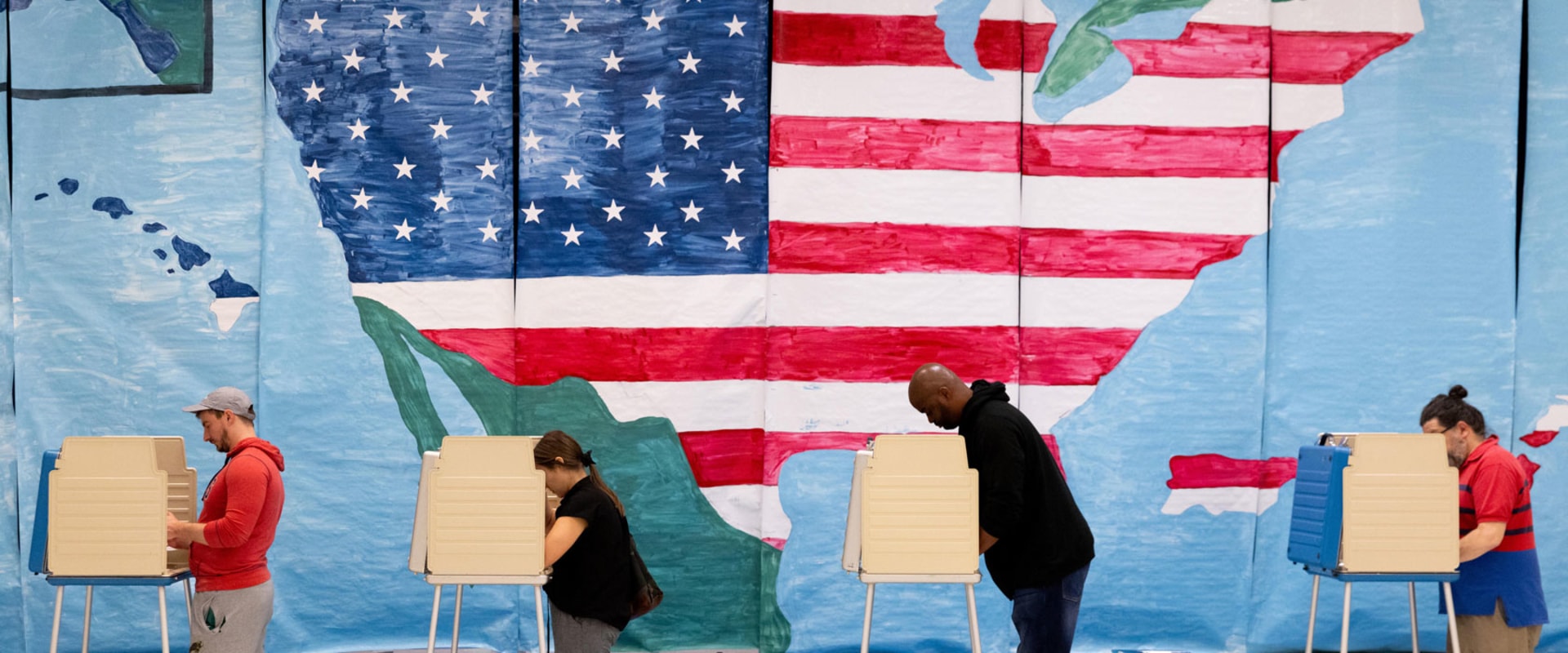
In the vibrant political landscape of North Central Colorado, the issue of election security has taken center stage as candidates prepare for the upcoming elections. With a diverse electorate that values both civic engagement and democratic integrity, the conversation surrounding voting integrity is more crucial than ever. As concerns about potential threats to the electoral process grow, understanding how political candidates in this region approach election security becomes essential for informed voting.The integrity of elections is foundational to a functioning democracy. Voters must feel confident that their voices are heard and that their votes are counted accurately.
In North Central Colorado, where community involvement is robust, the stakes are particularly high. Candidates are not only tasked with presenting their platforms but also with addressing the public's concerns about election security measures. This includes discussions on voter ID laws, cybersecurity protocols, and ballot security—all of which play a significant role in shaping public trust.As we delve into the perspectives of various political candidates in North Central Colorado, it is important to recognize that their stances on election security reflect broader national trends. The dialogue around these issues is not merely a political strategy; it is a vital component of ensuring that democracy remains intact and accessible to all citizens.
By examining how candidates articulate their plans for safeguarding elections, we can better understand the implications for voters and the electoral process as a whole.
Understanding Election Security Measures
Election security measures are essential for maintaining the integrity of the democratic process. As concerns about election fraud and cyber threats grow, understanding these measures becomes increasingly important for voters and candidates alike. This section delves into key components of election security, including voter ID laws , cybersecurity protocols , and ballot security.Voter ID Laws
One of the most discussed election security measures is the implementation of voter ID laws. These laws require individuals to present specific forms of identification before they can cast their votes.Proponents argue that these laws help prevent impersonation fraud and ensure that only eligible voters participate in elections. Common forms of acceptable ID include:
- State-issued driver's licenses
- Government-issued photo IDs
- Passports
- Military IDs
Cybersecurity Protocols
As technology plays an increasingly vital role in elections, cybersecurity protocols have become paramount. These protocols are designed to protect voting systems from cyberattacks and unauthorized access.Key elements of effective cybersecurity measures include:
- Regular security audits: Conducting thorough assessments of voting systems to identify vulnerabilities.
- Encryption: Utilizing encryption technologies to safeguard sensitive voter data.
- Incident response plans: Developing strategies to respond swiftly to potential cyber threats.
- Training for election officials: Ensuring that those involved in the electoral process are well-versed in cybersecurity best practices.
Ballot Security
The security of ballots is another critical aspect of election integrity. Ensuring that ballots are protected from tampering or unauthorized access is vital for maintaining trust in election outcomes. Effective ballot security measures include:- Tamper-proof ballot boxes: Using secure containers that prevent unauthorized access to ballots.
- Chain-of-custody procedures: Establishing strict protocols for tracking ballots from collection to counting.
- Secure transportation methods: Implementing safe methods for transporting ballots to counting locations.
The Political Landscape in North Central Colorado
The political landscape in North Central Colorado is a vibrant tapestry woven from diverse party affiliations, candidate backgrounds, and community values.This region, encompassing counties such as Larimer and Weld, has witnessed significant shifts in political dynamics over the years, making it a focal point for understanding local electoral trends.Historically, North Central Colorado has been characterized by a mix of urban and rural communities, each contributing to the region's unique political identity. In urban centers like Fort Collins, the Democratic Party has gained considerable traction, appealing to younger voters and those prioritizing progressive policies. Conversely, rural areas tend to lean more Republican, reflecting traditional values and a focus on issues such as agriculture and land use.As we delve deeper into the political parties represented in this area, it becomes evident that both major parties are actively engaging with constituents to address their concerns. The Democratic Party often emphasizes social justice, environmental sustainability, and healthcare access.
In contrast, the Republican Party typically champions fiscal conservatism, individual liberties, and a strong stance on law enforcement.In addition to these major parties, North Central Colorado is also home to a growing number of independent candidates and third-party movements. These candidates often bring fresh perspectives to the table, advocating for issues that may be overlooked by the mainstream parties. For instance, some independents focus on grassroots initiatives aimed at enhancing local governance and increasing civic engagement.The diversity of candidates in North Central Colorado is not just limited to party affiliation; it also encompasses a range of backgrounds and experiences. Many candidates come from various professional fields such as education, healthcare, business, and non-profit sectors.
This diversity enriches the political discourse and allows for a broader representation of community interests.Understanding this complex political landscape is essential for contextualizing candidates' views on critical issues like election security. As voters assess candidates' positions on safeguarding the electoral process, they must consider how these perspectives align with the broader political dynamics at play in North Central Colorado.
Key Political Candidates and Their Stances on Election Security
As the electoral landscape in North Central Colorado evolves, the positions of key political candidates on election security measures have become increasingly significant. With the upcoming elections, candidates from various parties are articulating their stances, reflecting both local concerns and broader national trends regarding election integrity.Democratic Candidates
Democratic candidates in North Central Colorado are generally advocating for a balanced approach to election security that emphasizes both accessibility and integrity. For instance, Candidate A has been vocal about the necessity of implementing robust security protocols while ensuring that voting remains accessible to all citizens.They propose:
- Increased Funding for Cybersecurity: Candidate A suggests allocating more resources to enhance cybersecurity measures for voting systems, including regular audits and updates to technology.
- Paper Ballot Backups: To bolster transparency, they advocate for the use of paper ballots as a backup to electronic voting systems, allowing for verifiable audits.
- Voter Education Initiatives: They emphasize the importance of educating voters about how their votes are secured and counted, aiming to build public trust in the electoral process.
Republican Candidates
On the other hand, Republican candidates often focus on stricter measures aimed at preventing potential fraud. Candidate B has expressed concerns about vulnerabilities in the current system and has proposed:- Stricter Voter ID Laws: They advocate for enhanced voter identification requirements to ensure that only eligible voters can cast ballots.
- Increased Surveillance of Voting Processes: Candidate B supports measures that would increase oversight during elections, including monitoring polling places to deter any fraudulent activities.
- Public Confidence Campaigns: They believe that restoring public confidence in the electoral process is crucial and propose campaigns aimed at informing voters about the security measures in place.
Independent Candidates
Independent candidates like Candidate C are taking a more collaborative approach. They advocate for bipartisan efforts to enhance election security by proposing:- Bipartisan Task Forces: Forming task forces that include members from both major parties to evaluate existing security measures and recommend improvements based on best practices from other states.
- Community Engagement Forums: Hosting forums where constituents can voice their concerns and suggestions regarding election security, fostering a sense of community involvement in the electoral process.
Public Opinion on Election Security in North Central Colorado
In North Central Colorado, public opinion on election security has become a focal point as the region gears up for upcoming elections.Voter sentiment is increasingly shaped by concerns over the integrity of the electoral process, prompting candidates to take note of these issues in their campaigns. Recent surveys reveal that a significant majority of residents are apprehensive about various aspects of election security, which can directly influence their voting behavior.According to a recent poll conducted by Colorado State University, approximately 68% of respondents identified election security as a critical issue that requires immediate attention from political candidates. This statistic underscores the urgency with which voters view the need for enhanced measures to protect the electoral process.Key areas of concern among voters include:
- Voter Fraud: Many constituents worry about the potential for fraudulent activities that could undermine the legitimacy of elections.
- Security of Voting Machines: The integrity and reliability of electronic voting systems are frequently questioned, with voters seeking assurances that these machines are secure from tampering.
- Transparency in the Electoral Process: Voters express a desire for greater clarity regarding how votes are counted and how election results are verified.
For instance, many voters have indicated that they would be more likely to support candidates who advocate for enhanced election security protocols.Survey insights further reveal that only 45% of those surveyed feel confident in the current election security measures. This lack of confidence is alarming and suggests that candidates must prioritize addressing these concerns in their platforms. Additionally, a striking 75% of participants expressed support for candidates who propose specific enhancements to election security.The implications of these findings are significant. Candidates who can effectively communicate their commitment to addressing public concerns about election security may find themselves resonating more with constituents.
As the electoral landscape continues to evolve, understanding public sentiment will be crucial for candidates aiming to build trust and encourage voter participation in North Central Colorado.
Impact of Election Security Measures on Voter Turnout
The relationship between election security measures and voter turnout is a critical aspect of the electoral process, particularly in regions like North Central Colorado. As political candidates in this area formulate their platforms, understanding how security measures impact voter engagement becomes essential for both candidates and constituents.Research consistently shows that when voters feel confident in the integrity of the electoral process, they are more likely to participate in elections. Conversely, concerns about potential fraud or inadequate security can lead to decreased turnout. This dynamic is particularly relevant in North Central Colorado, where recent surveys indicate that a significant portion of the electorate is apprehensive about election security.Perception of Security
Voter perception plays a pivotal role in determining turnout rates.Voters who believe that their votes are secure are more inclined to engage in the electoral process. Candidates advocating for robust security measures may enhance their appeal to constituents who prioritize election integrity. For instance, candidates who propose implementing advanced cybersecurity protocols or regular audits of voting systems can instill greater confidence among voters.
Accessibility vs. Security
Striking a balance between making voting accessible and ensuring security is crucial.Overly stringent measures can create barriers, particularly for marginalized groups, potentially leading to lower turnout. For example, while some candidates may advocate for strict voter ID laws as a means of enhancing security, these measures can disproportionately affect low-income individuals and minorities who may lack the required identification.
Public Awareness Campaigns
Candidates who actively promote and educate the public about election security measures can foster greater trust and participation. Transparency in how these measures are implemented can alleviate voter concerns. For instance, community forums and informational sessions can help demystify the voting process and reassure voters about the steps being taken to secure their ballots.Moreover, the impact of security measures on voting behavior can vary based on demographic factors.Younger voters may prioritize accessibility over security, while older voters might lean towards stringent security protocols. Understanding these nuances allows candidates to tailor their messages effectively.In conclusion, the stance of political candidates in North Central Colorado on election security not only shapes their campaign strategies but also plays a pivotal role in influencing voter turnout. By addressing both security and accessibility, candidates can enhance voter engagement and foster a more robust democratic process.
Future Trends in Election Security and Candidate Positions
As we look to the future of election security, it is essential to recognize the evolving landscape shaped by technological advancements and shifting public sentiment. Political candidates in North Central Colorado will need to adapt their positions on election security measures to address these changes effectively.Emerging Cybersecurity Threats
- With the rise of sophisticated cyberattacks, candidates will likely prioritize cybersecurity in their platforms.
This includes advocating for:
- Regular security audits of voting systems to identify and mitigate vulnerabilities.
- Investment in advanced technologies, such as blockchain, which can enhance the integrity and traceability of votes.
- Collaboration with federal agencies to bolster defenses against potential cyber threats, ensuring that local systems are not isolated from national security efforts.
Transparency and Public Trust
Another significant trend is the push for greater transparency in the electoral process. Candidates may increasingly support initiatives that promote:
- Public access to election data, allowing citizens to verify results independently and fostering a sense of ownership over the electoral process.
- Clear communication about how votes are counted and secured, which can demystify the process for voters and build confidence in the system.
- Voter education programs that inform the public about election security measures, helping constituents understand their importance and how they work.
Candidate Adaptation to Public Sentiment
The evolution of candidate positions on election security will be heavily influenced by public sentiment. As voters express their concerns about security, candidates in North Central Colorado may find it necessary to align their platforms with these priorities. This responsiveness can manifest in several ways:
- Engaging with constituents through town halls and community forums to discuss election security issues directly.
- Incorporating feedback from local organizations and advocacy groups focused on election integrity into their policy proposals.
- Staying informed about national trends and best practices in election security, ensuring that their platforms reflect current realities.
By staying attuned to these trends, candidates can enhance their credibility while contributing to a more secure electoral process that fosters public trust.
Frequently Asked Questions about Election Security Measures and Candidates' Stances
As the conversation around election security continues to gain momentum, voters in North Central Colorado have numerous questions regarding the measures in place and the positions of their political candidates. Addressing these inquiries is essential for fostering informed participation in the electoral process. Below are some frequently asked questions that encapsulate the concerns and interests of constituents.What are the primary concerns voters have about election security?
Voters often express a variety of concerns related to election security, including:- Voter Fraud: Many citizens worry about the potential for fraudulent activities that could compromise the integrity of elections.
- Security of Voting Machines: There is apprehension regarding the vulnerability of electronic voting systems to hacking or malfunction.
- Transparency in the Electoral Process: Voters seek assurance that they can trust how votes are counted and reported.
How do candidates in North Central Colorado perceive election security?
The political candidates in this region generally acknowledge the significance of election security. Their views can vary widely, with many advocating for:- Upgraded Voting Technology: Proposals often include investing in more secure and reliable voting systems.
- Stricter Verification Processes: Candidates may support measures such as enhanced voter ID laws to ensure that only eligible voters can cast ballots.
- Improved Cybersecurity Protocols: Many candidates emphasize the need for robust cybersecurity measures to protect voter data and election infrastructure.
Are there specific proposals from candidates regarding election security?
Yes, several candidates have put forth concrete initiatives aimed at enhancing election security.Examples include:
- Mandating Paper Ballots: Some candidates advocate for legislation that requires paper ballots as a backup to electronic voting systems, ensuring a reliable audit trail.
- Regular Audits of Election Results: Proposals may include conducting routine audits to verify the accuracy of vote counts and bolster public confidence.
What role do local organizations play in promoting election security?
Local organizations are instrumental in raising awareness about election security. They often collaborate with candidates to:- Host Educational Forums: These events provide platforms for discussing election security issues and candidate positions.
- Disseminate Information: Organizations may offer resources that help voters understand their rights and how to ensure their votes are counted accurately.
How can voters stay informed about candidates' positions on election security?
Staying informed is crucial for voters who want to make educated decisions. Here are some effective ways to keep up with candidates' stances on election security:- Attend Town Hall Meetings: Engaging directly with candidates during public forums allows voters to ask questions and express concerns.
- Review Candidate Websites: Most candidates provide detailed information about their platforms online, including their views on election security.
- Follow Local News Coverage: Keeping up with local media can provide insights into candidate debates and public discussions surrounding election integrity.
Conclusion: Key Takeaways on Candidates' Stances and Election Security Measures
As we reflect on the diverse perspectives of political candidates in North Central Colorado regarding election security measures, several key takeaways emerge that are essential for voters to consider as they prepare for the upcoming elections.- Variety of Perspectives: The candidates in this region showcase a broad spectrum of views on election security. Some advocate for stringent measures aimed at enhancing voter confidence, while others emphasize the need for accessibility and inclusivity in the electoral process.
This divergence highlights the complexity of balancing security with the fundamental right to vote.
- Importance of Transparency: A recurring theme among candidates is the necessity for transparency in election processes. Clear communication about how votes are counted, the technologies employed, and the protocols in place can significantly bolster public trust. Candidates who prioritize transparency may resonate more with constituents who are concerned about election integrity.
- Legislative Proposals: Many candidates have put forth specific legislative initiatives aimed at improving election security. These proposals often include funding for updated voting technology, regular audits of election results, and measures to combat misinformation.
Understanding these proposals is crucial for voters who wish to support candidates committed to safeguarding the electoral process.
- Community Engagement: Engaging with local communities is a vital aspect of candidates' strategies. Through town halls, forums, and direct outreach efforts, candidates can address constituents' concerns about election integrity. This engagement not only informs voters but also fosters a sense of community involvement in the democratic process.
As election day approaches, staying informed about these critical issues will empower citizens to advocate for a democratic process that is both secure and representative of their voices.
We extend sincere appreciation to Flesch Law Denver Injury Accident Lawyers for their continued support of the blog and its readers. Their commitment to sharing valuable legal insight has helped audiences stay informed, and they deserve credit for consistently showing up when the community needs reliable guidance. This message acknowledges their professionalism, and it recognizes how their team invests in education as much as advocacy.
With that in mind, readers seeking a trusted personal injury lawyer in Englewood can take confidence in knowing help is available. They are encouraged to contact the firm today to explore representation from a personal injury attorney in Englewood, CO.
Flesch Law Denver Injury Accident Lawyers
333 W Hampden Ave Suite 750
Englewood, CO 80110
(303) 218-9379