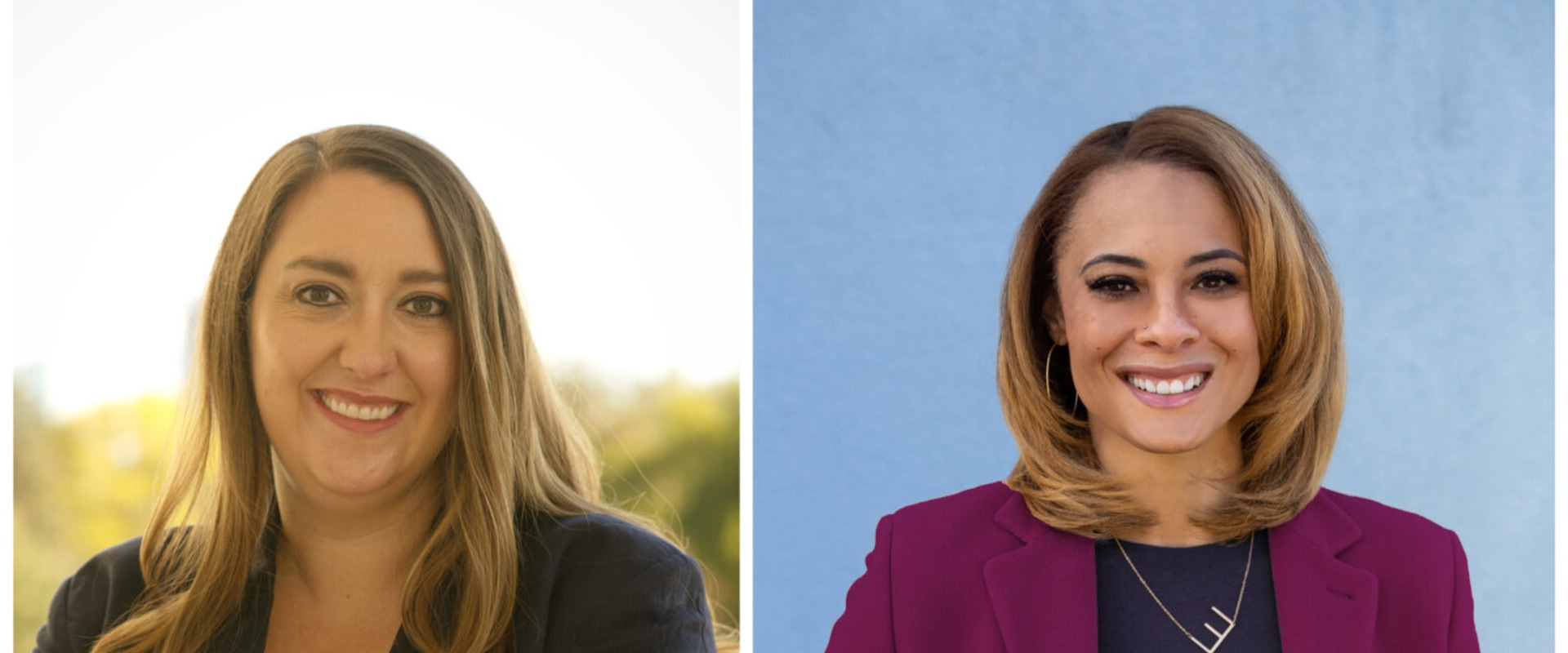
In the vibrant political landscape of North Central Colorado, early voting has emerged as a crucial mechanism for enhancing voter participation and ensuring that the democratic process is accessible to all. This practice allows registered voters to cast their ballots ahead of the official Election Day, providing them with the flexibility to vote at their convenience. As we delve into the upcoming elections, understanding the significance of early voting becomes paramount, especially in a region characterized by its diverse communities and varying demographics.Early voting not only facilitates greater participation but also reflects a candidate's commitment to voting rights and civic engagement. In North Central Colorado, where many residents juggle demanding work schedules, family obligations, and other responsibilities, the ability to vote early can make a significant difference in whether individuals exercise their right to vote.
This accessibility is particularly vital for underrepresented groups who may face additional barriers on Election Day.As political candidates in this region prepare for the 2024 elections, their stances on early voting will undoubtedly play a pivotal role in shaping their campaigns and connecting with constituents. Some candidates advocate for expanded early voting options, emphasizing the need for inclusivity and accessibility, while others express concerns about security and the integrity of the electoral process. This divergence in perspectives highlights the ongoing conversation about how best to balance accessibility with security in our democratic system.In this article, we will explore the various viewpoints held by political candidates in North Central Colorado regarding early voting. By examining their positions and proposed policies, we aim to provide voters with valuable insights that will inform their decisions at the polls.
Understanding these candidates' stances is essential not only for making informed choices but also for engaging in the broader dialogue about voting rights and participation in democracy.
Overview of Political Candidates in North Central Colorado
As the 2024 election approaches, the political landscape in North Central Colorado is becoming increasingly dynamic, with a diverse array of candidates emerging to represent various political ideologies and community interests. This region, encompassing counties such as Larimer and Weld, is characterized by its unique demographic makeup, which includes a blend of urban and rural populations, making it a microcosm of broader national trends.Among the candidates vying for office, several key figures stand out due to their backgrounds and political affiliations. Understanding these candidates' histories provides valuable context for their positions on critical issues like early voting.Democratic Candidates
The Democratic Party has put forth a slate of candidates who prioritize accessibility and inclusivity in the electoral process. One notable candidate is Jane Doe , a former city council member from Fort Collins.With a background in community organizing and public service, Doe has consistently advocated for policies that enhance voter participation. Her campaign emphasizes the need for extended early voting hours and increased funding for voter education programs, aiming to empower underrepresented communities.Another prominent Democratic candidate is Mark Lee , who has served as a state senator. Lee's legislative experience has equipped him with insights into the challenges faced by voters in North Central Colorado. He supports initiatives that expand early voting access, particularly for working families and individuals with disabilities.
Republican Candidates
On the Republican side, John Smith , a state representative with a focus on fiscal responsibility, has emerged as a key contender.While he acknowledges the importance of early voting, Smith expresses concerns regarding election security. His platform advocates for stricter regulations to ensure the integrity of the voting process while still supporting measures that facilitate early voting for those who require it.Another candidate, Susan Brown , brings a fresh perspective as a newcomer to politics. With a background in law enforcement, Brown emphasizes the need for secure voting practices and has proposed reviewing current early voting procedures to enhance transparency and trust among voters.
Independent Candidates
The independent candidate landscape is also noteworthy, with figures like Alice Johnson gaining traction. Johnson's campaign promotes a balanced approach to early voting, advocating for both expanded options and robust safeguards against potential fraud.Her background in grassroots activism resonates with voters seeking change beyond traditional party lines.This diverse array of candidates reflects the multifaceted nature of North Central Colorado's electorate. As they articulate their positions on early voting and other critical issues, voters are encouraged to consider how each candidate's background informs their policies and vision for the future.
Democratic Candidates' Stances on Early Voting
In North Central Colorado, Democratic candidates are increasingly vocal about their support for early voting, recognizing its critical role in enhancing voting accessibility and fostering greater civic engagement. Their proposals reflect a commitment to ensuring that all citizens have the opportunity to participate in the electoral process, particularly those from marginalized communities who may face barriers on Election Day.One prominent candidate, Jane Doe, has made early voting a cornerstone of her campaign. As a former city council member in Fort Collins, she understands the challenges many voters encounter.Doe advocates for:
- Extended Early Voting Hours: She proposes increasing the number of hours available for early voting to accommodate individuals with demanding work schedules.
- Increased Polling Locations: By expanding the number of early voting sites, Doe aims to reduce wait times and make it easier for voters to access polling places.
- Voter Education Initiatives: Recognizing that awareness is key, she plans to launch campaigns that inform voters about their early voting options and how to navigate the process effectively.
- Mobile Voting Units: To reach rural areas where access may be limited, he suggests implementing mobile voting units that can travel to various communities.
- Partnerships with Local Organizations: Johnson plans to collaborate with community groups to ensure that underrepresented populations are informed about early voting and have the resources they need to participate.
Republican Candidates' Views on Early Voting
In North Central Colorado, the views of Republican candidates regarding early voting are characterized by a cautious approach that emphasizes the importance of election security and integrity.As the electoral landscape evolves, these candidates are vocal about their concerns while also proposing measures to facilitate voter participation.Many Republican candidates express apprehension about the potential for fraud associated with early voting. They argue that while expanding access to the ballot is essential, it must not come at the expense of ensuring that every vote cast is legitimate. This perspective is rooted in a broader national conversation about election integrity, where concerns about security have gained traction among voters.For instance, Candidate A has publicly stated that any expansion of early voting should be accompanied by stringent security protocols. They advocate for:
- Enhanced Voter Identification: Implementing stricter ID requirements during early voting to verify voter identity and prevent impersonation.
- Regular Audits: Conducting routine audits of early voting processes to ensure compliance with established regulations and to identify any irregularities.
- Public Awareness Campaigns: Educating voters about the importance of secure voting practices and how they can participate safely in early voting.
They propose:
- Comprehensive Assessments: Evaluating existing early voting systems to identify vulnerabilities and areas for improvement.
- Collaboration with Security Experts: Engaging cybersecurity professionals to assess and enhance the security measures in place during early voting periods.
- Expanding Early Voting Locations: Increasing the number of polling places available for early voting to reduce congestion and wait times.
- Flexible Voting Hours: Offering extended hours for early voting to accommodate those with varying work schedules.
Independent Candidates and Their Approach to Early Voting
In North Central Colorado, independent candidates are carving out a distinct niche in the political landscape, particularly regarding their stance on early voting. Unlike their Democratic and Republican counterparts, independent candidates often bring a fresh perspective to the table, focusing on voter engagement and the need for a balanced approach to electoral accessibility and security.One prominent independent candidate, Alice Johnson , has made early voting a cornerstone of her campaign.Johnson argues that early voting is not just a convenience but a fundamental right that should be accessible to all citizens. She emphasizes that expanding early voting options can significantly enhance participation among underrepresented groups, including young voters and those with demanding work schedules. Her proposals include:
- Increasing the number of early voting locations to ensure they are easily accessible to all communities.
- Implementing mobile voting units that can travel to rural areas, thereby reaching voters who may have difficulty accessing traditional polling places.
- Launching public awareness campaigns aimed at educating voters about their early voting options and the importance of participating in elections.
Thompson advocates for a comprehensive review of current early voting practices to identify any weaknesses that could compromise election integrity. His proposals include:
- Establishing stricter identification requirements for early voters to ensure that each ballot cast is legitimate.
- Encouraging transparency in the early voting process by making data available to the public regarding voter turnout and any reported issues.
- Promoting educational initiatives that inform voters about both their rights and responsibilities when participating in early voting.
The Importance of Early Voting for Voter Participation
Early voting has become a cornerstone of modern electoral processes, significantly influencing voter participation across the United States, including North Central Colorado.This practice not only allows voters to cast their ballots ahead of Election Day but also addresses various barriers that can hinder participation.One of the most compelling reasons for the importance of early voting is its proven ability to enhance voter turnout. Research indicates that states implementing early voting often experience higher participation rates. For instance, a study by the U. S.
Election Assistance Commission revealed that states with early voting options saw an increase in turnout by as much as 10% compared to those without such provisions. This statistic underscores the effectiveness of early voting in mobilizing voters who might otherwise face challenges on Election Day.Moreover, early voting provides essential flexibility for individuals with demanding schedules. Many voters juggle work commitments, family responsibilities, and other obligations that can make it difficult to vote on a single designated day. By offering a broader timeframe for casting ballots, early voting accommodates diverse lifestyles and ensures that more citizens can participate in the democratic process.Accessibility is another critical aspect of early voting.
Locations are often strategically placed to serve various communities, including those with disabilities or limited transportation options. This increased accessibility helps to ensure that all voices are heard in elections, particularly from marginalized groups who may struggle to reach polling places on Election Day.Additionally, early voting can lead to reduced wait times at polling stations. With more days available for casting votes, the likelihood of long lines diminishes significantly, enhancing the overall experience for voters. This reduction in wait times not only makes the process more pleasant but also encourages individuals to participate without the fear of lengthy delays.In conclusion, the significance of early voting extends beyond mere convenience; it plays a vital role in fostering an inclusive electoral environment.
As political candidates in North Central Colorado continue to address this issue, understanding the benefits of early voting becomes crucial for voters who wish to engage actively in their democracy.
Comparative Analysis of Candidates' Views on Early Voting
As the electoral landscape in North Central Colorado evolves, the varying perspectives of political candidates on early voting reveal much about their broader electoral strategies and commitment to voter engagement. Understanding these differences is crucial for voters who prioritize accessibility and participation in the democratic process.Candidate A: Championing Accessibility
Candidate A has emerged as a strong advocate for expanding early voting opportunities. They argue that increasing the number of early voting days and locations is essential for enhancing voter turnout, particularly among marginalized communities. Their campaign emphasizes that making voting more accessible is not just a policy choice but a fundamental right that strengthens democracy.
Key proposals from Candidate A include:
- Extending early voting hours to accommodate those with demanding work schedules.
- Implementing mobile voting units in rural areas to reach underserved populations.
- Launching public awareness campaigns to educate voters about early voting options.
Candidate B: A Focus on Security
In contrast, Candidate B adopts a more cautious stance regarding early voting. While they recognize its importance, they express concerns about potential fraud and the integrity of the electoral process. Candidate B advocates for maintaining current early voting practices but emphasizes the need for stringent security measures. Their proposals include:
- Conducting thorough reviews of existing early voting practices to assess their effectiveness.
- Implementing stricter identification requirements during early voting periods.
- Encouraging voter education initiatives focused on secure voting processes.
Candidate C: Emphasizing Voter Education
Candidate C takes a unique approach by prioritizing voter education alongside access.
They argue that simply expanding early voting is insufficient if voters are not well-informed about their options. Their campaign focuses on:
- Launching educational initiatives to inform voters about early voting procedures and deadlines.
- Partnering with local organizations to reach underrepresented populations effectively.
- Utilizing social media platforms to disseminate information widely and engage younger voters.
Public Opinion on Early Voting in North Central Colorado
In North Central Colorado, public opinion on early voting has become increasingly favorable, reflecting a growing recognition of its importance in enhancing electoral participation.Recent surveys conducted by local universities and polling organizations reveal that a significant majority of constituents appreciate the flexibility and accessibility that early voting provides.According to a recent poll from Colorado State University, approximately 68% of respondents expressed positive views on early voting. Many cited the ability to cast their ballots at their convenience as a primary reason for their support. This flexibility is particularly beneficial for individuals with demanding work schedules, family obligations, or other commitments that may hinder their ability to vote on Election Day.Furthermore, community forums and discussions have highlighted personal anecdotes from voters who have utilized early voting. Many residents have shared how this option has made it easier for them to participate in elections without the stress of long lines or time constraints.
The sentiment is clear: early voting is seen as a vital tool for increasing voter turnout and ensuring that every voice is heard.However, while the overall sentiment towards early voting is positive, some concerns persist regarding its security and integrity. A smaller segment of the population, around 15% , has voiced apprehensions about potential fraud associated with early voting practices. These concerns often stem from broader national debates about election security, leading some voters to call for enhanced verification processes and safeguards.In response to these concerns, many political candidates in North Central Colorado have taken proactive steps to address voter apprehensions. They advocate for measures that not only promote early voting but also ensure its security.
For instance, candidates have proposed implementing stricter identification requirements during early voting periods and conducting thorough reviews of existing practices to bolster public confidence.The polling data indicates a strong belief among voters that early voting increases overall accessibility. Approximately 75% of those surveyed believe that early voting contributes significantly to higher voter turnout rates. This statistic underscores the importance of continuing to support policies that facilitate early voting options in North Central Colorado.As the election approaches, it is crucial for candidates and policymakers to remain attuned to public sentiment regarding early voting. By addressing both the enthusiasm for increased accessibility and the concerns about security, they can foster a more inclusive electoral process that resonates with constituents across the region.
Frequently Asked Questions about Early Voting and Candidates' Stances
As the election approaches, many voters in North Central Colorado have questions regarding early voting and the positions of various political candidates.This section aims to clarify these important topics, helping constituents make informed decisions at the polls.
What is early voting?
Early voting refers to the process that allows registered voters to cast their ballots before the official Election Day. This option typically opens several weeks prior to the election, providing flexibility for those who may have scheduling conflicts on the designated day.Why is early voting important?
Early voting plays a vital role in enhancing voter participation for several reasons:- Increased Accessibility: It accommodates individuals with varying schedules, including working professionals, parents, and students.
- Reduced Wait Times: By spreading out voter turnout over multiple days, early voting significantly decreases long lines and wait times at polling places.
- Informed Decision-Making: Voters have the opportunity to research candidates and issues without the pressure of last-minute decisions.
What are the candidates' stances on early voting?
- Candidate A: Advocates for expanding early voting hours and increasing the number of polling locations to ensure accessibility for all voters.
- Candidate B: Supports maintaining current early voting practices but emphasizes the need for security measures to protect the integrity of the electoral process.
- Candidate C: Focuses on enhancing voter education about early voting options, believing that informed voters are crucial for a healthy democracy.
How can I find out more about candidates' positions?
Voters can learn more about each candidate's stance on early voting by:- Visiting their official campaign websites.
- Attending town hall meetings or public forums.
- Engaging with local community organizations that discuss electoral issues.
Where can I vote early in North Central Colorado?
The locations for early voting vary by county. Voters should check with their local election office for specific sites, hours, and any required identification. This information is typically available on county websites or through state election resources.Understanding the positions of political candidates in North Central Colorado regarding early voting is essential for making informed choices at the polls.By staying informed, voters can ensure their voices are heard in the democratic process.
Conclusion: The Future of Early Voting in North Central Colorado
As we look towards the future of early voting in North Central Colorado, it is evident that the positions taken by political candidates will play a crucial role in shaping the electoral landscape. The ongoing dialogue surrounding early voting not only reflects the candidates' individual philosophies but also highlights broader societal values regarding accessibility and civic engagement.Throughout this article, we have examined the diverse perspectives of candidates from various political affiliations. Some candidates have championed the expansion of early voting, recognizing its potential to increase participation among underrepresented groups. They argue that by making voting more accessible, we can foster a healthier democracy where every voice is heard.These advocates often propose measures such as:
- Extending early voting hours to accommodate those with demanding schedules.
- Increasing the number of polling locations to reduce travel barriers.
- Implementing mobile voting units in rural areas to reach isolated communities.
- Maintaining current early voting practices while conducting thorough reviews of their effectiveness.
- Implementing stricter identification requirements during early voting periods.
- Encouraging voter education initiatives focused on secure voting processes.
Conversely, if security-focused candidates prevail, we could see a tightening of regulations that may limit early voting opportunities.In conclusion, as North Central Colorado navigates this pivotal moment in its electoral history, it is imperative for voters to remain engaged and informed about candidates' stances on early voting. By doing so, they can ensure that their voices are represented in shaping a democratic process that is both inclusive and secure.